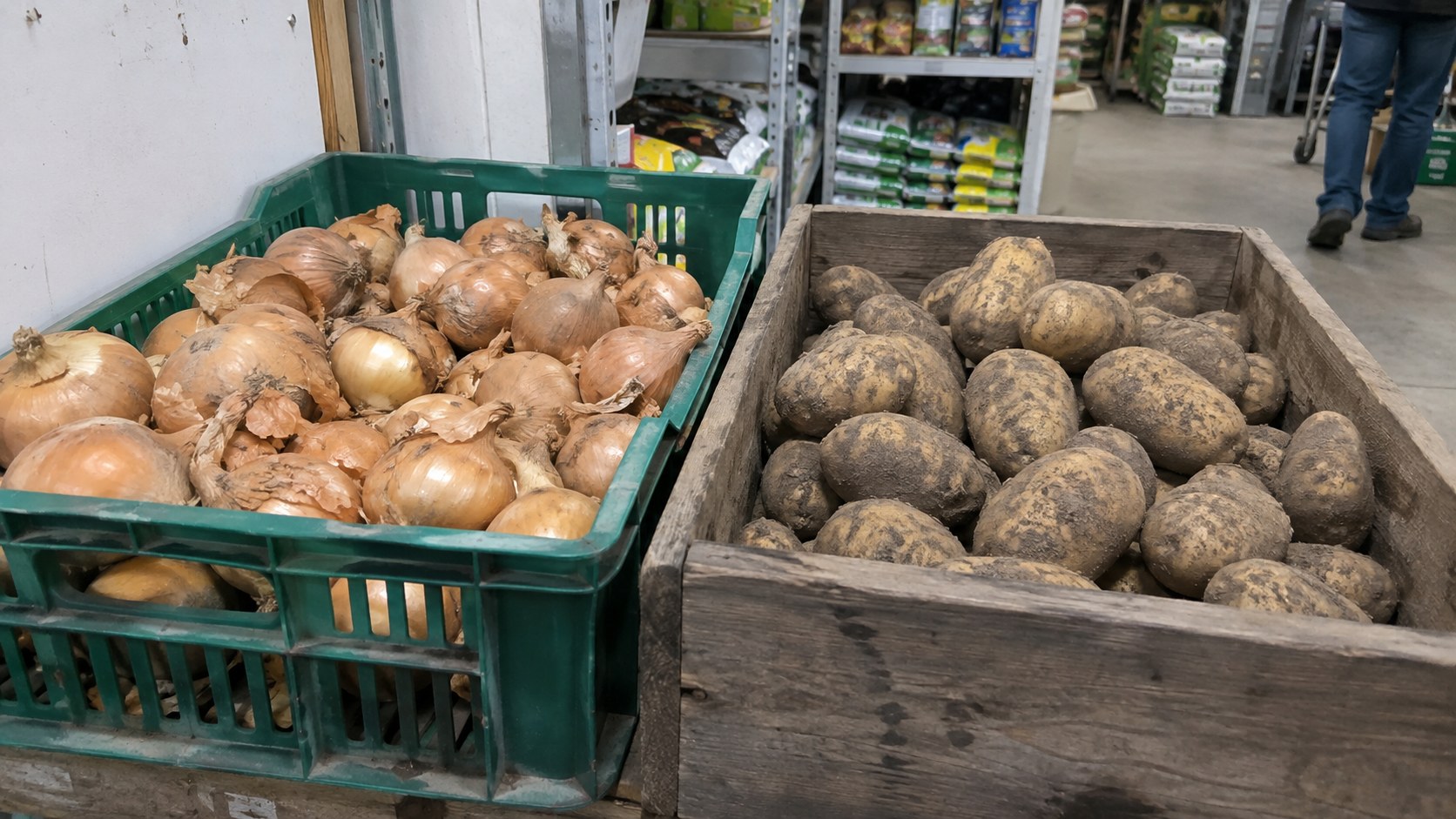
01 / COST PER USABLE SERVING
Look past the pack price.
Compare cuts, pack sizes and usable portions. Recognise when preparation, packaging or a premium brand adds more cost than value.
A little farm sense for the grocery aisle
Choose a better-value grocery basket for your family, every time you shop.
Learn how to judge protein choices, everyday brands, convenience premiums, produce and bulk offers. Earl’s Grocery List helps you build a shopping routine around the food your family will actually use.
One-time price · USD · Digital ebook

check what’s at home
compare usable servings
choose value in each aisle
buy what you’ll use
Better choices across the whole basket
Apply the same judgement to your family’s regular purchases, from protein and produce to breakfast food, snacks and pantry staples.
Compare cuts, pack sizes and usable portions. Recognise when preparation, packaging or a premium brand adds more cost than value.
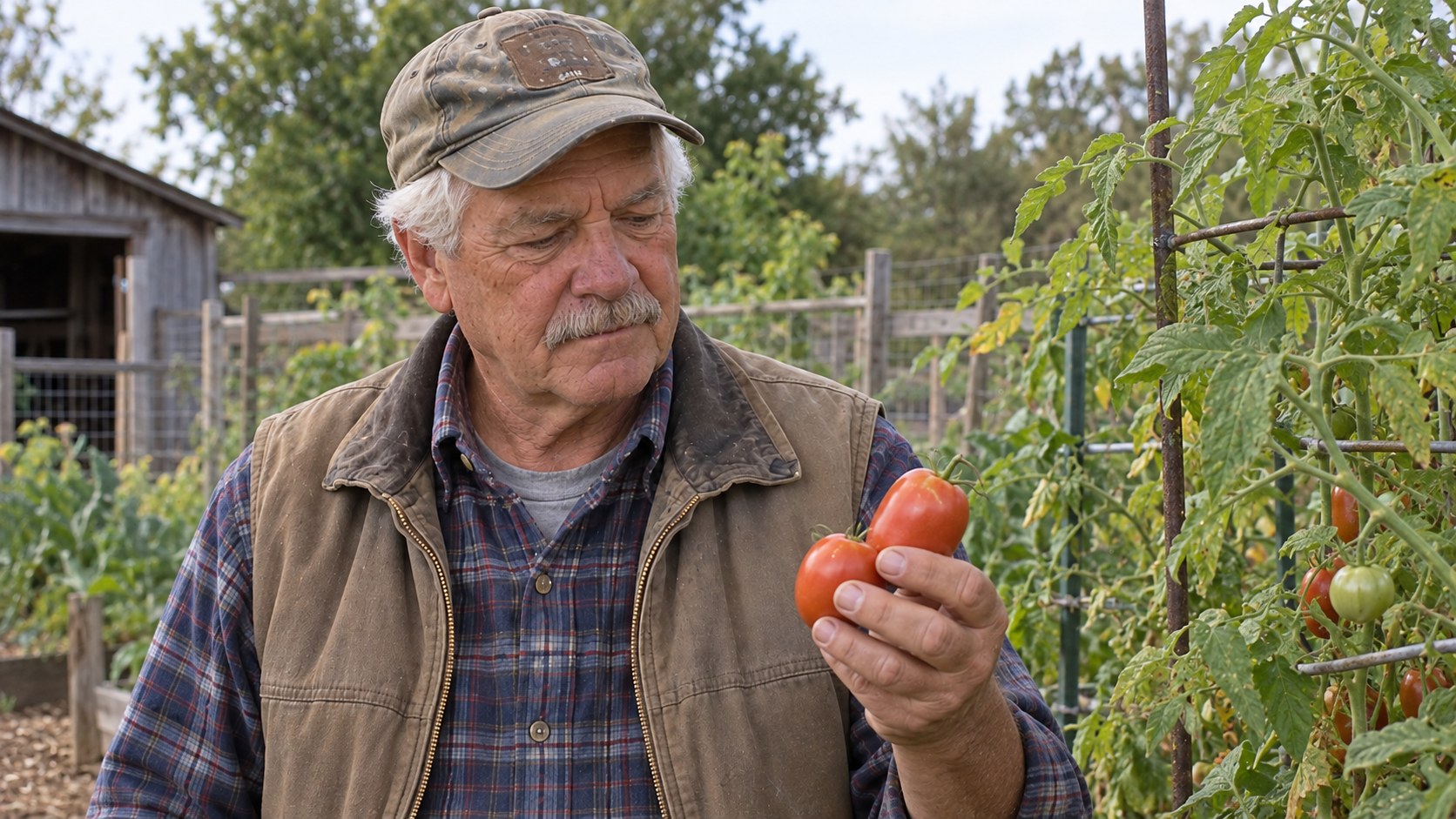
Match quantity, ripeness and fresh, frozen or canned options to your meals and storage. Give the food you pay for a realistic plan.
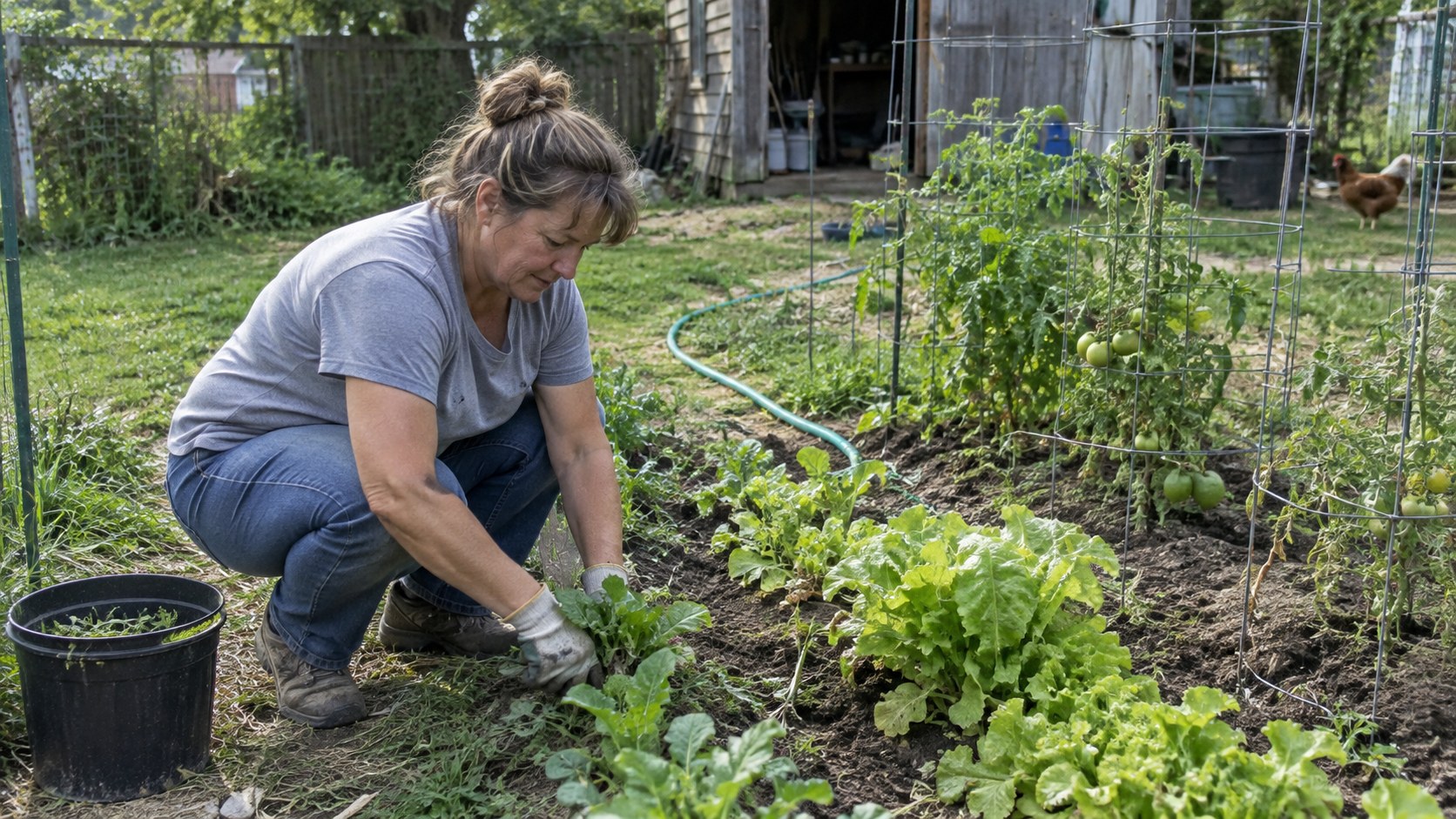
Use familiar ingredients across several meals. Check your pantry before buying more, and judge promotions against what you need.
A habit that changes the whole shop
A low pack price means little if the food goes unused, the usable portions are small or you need another shopping trip to make it a meal.
Start with what is at home. Choose ingredients that work across your family’s meals, compare their usable cost and buy quantities you can store and use.
Check the unit price, usable servings and the meals it will fit.
A considered basket.Compare the same family’s grocery spending
Here is an illustrative household changing how it chooses groceries across the same five categories. The book is included in the first-month total.
| Grocery category | Current shopping habits | Better choices + book |
|---|---|---|
| Meat, poultry & fish | $450 | $300 |
| Fruit & vegetables | $300 | $220 |
| Pantry staples, bread & sauces | $350 | $250 |
| Dairy & eggs | $250 | $180 |
| Snacks & drinks | $250 | $150 |
| Monthly groceries | $1,600 | $1,100 |
| Earl’s Grocery List Purchased once | $0 | $27 |
| First month, including the book | $1,600 | $1,127 |
Use your household’s number
Illustrative amounts, not an American-family average or guaranteed result. Better buying, portions, storage and less waste are reflected within each category; they are not counted again as extra savings. Use your actual household spending in the calculator. Book tax is excluded.
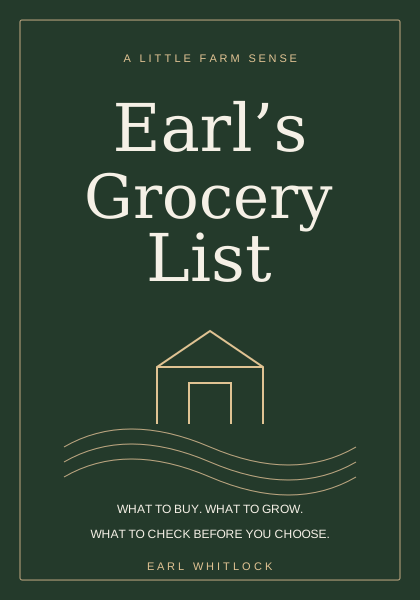 Digital ebook · cover mockup
Keep it beside your shopping list
A household reference for choosing better groceries and building more useful spending habits.
Compare cuts, portions, pack sizes and preparation premiums.
Judge prepared food, chopped produce and individual packs against the time they save.
Read ingredients, quantities and unit prices across the foods you buy repeatedly.
Match ripeness, quantity and fresh, frozen or canned options to your meals.
Avoid a separate collection of expensive ingredients for every dinner.
Evaluate bulk packs, multibuys and promotions against your household’s needs.
Use pantry and freezer checks to prevent duplicates and repeated impulse trips.
Meet Earl
Earl brings a farmer’s practical outlook to the household food budget.
The guide covers the decisions around a whole week’s food: how you shop, what you cook, what you store and what gets used. It gives those everyday choices a place in the same plan.
See what the guide covers ↑Before you choose
It is a digital ebook. Nothing is mailed. The ebook will be sent after payment.
The book is $27 USD as a one-time purchase. There is no book subscription. Applicable taxes will be shown at checkout.
No. The price comparison is an example of the arithmetic, not a guarantee. Your household, local prices and choices determine what you spend.
No. The guide centres on choosing groceries and managing an ordinary household’s food purchases. A farm or garden is not required.
Secure checkout is handled by Dodo Payments. The price is $27 USD as a one-time purchase.
Take a little farm sense with you
Better judgement in every aisle.
A shopping routine you can keep using.